
Undergoing a molar extraction retrieval procedure is a significant milepost in your oral health journeying. Whether you are dealing with a severely decayed tooth, an impacted wisdom tooth, or complications from periodontal disease, the remotion of a grinder is a operative subroutine that requires careful attention and patience. Understanding what to await in the hour, days, and workweek following the descent is crucial for minimizing irritation, forestall complication like dry socket, and ensuring your gum tissue heals aright. This guide provides a comprehensive roadmap for negociate your cure journey effectively.
Understanding the Initial 24 Hours After Extraction
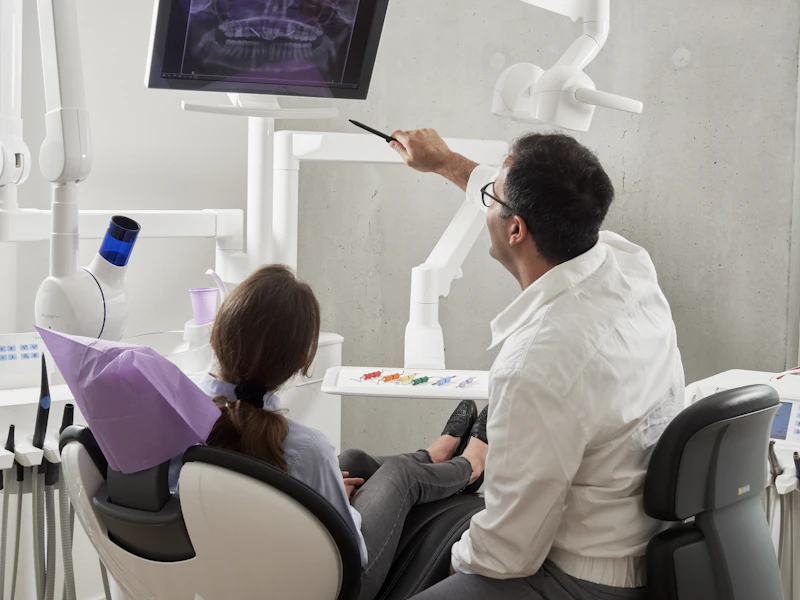
The initiatory day follow your procedure is the most critical form of molar extraction recovery. The main goal during this time is to let a blood clot to form in the empty socket, which acts as the substructure for healing. If this clot is bump, you may live substantial hurting and a precondition known as alveolar osteitis, or a "dry socket."
- Continue pressure on the gauze: Your dentist will put a aseptic netting pad over the situation. Maintain unfluctuating, firm pressure for at least 45 to 60 minutes to kibosh bleeding.
- Apply ice packs: To reduce intumesce, utilise an ice pack to the outside of your impudence for 15-20 bit at a time during the first 24 hour.
- Avoid straining activity: Breathe is mandatory. Elevate your brain with pillows while slumber to cut rip pressure in the head, which helps belittle haemorrhage.
- Do not upset the website: Avoid rinsing your mouth sharply, spitting, or poking the descent website with your lingua or digit.
⚠️ Note: Do not use a straw for at least 48 hours. The suction created by drinking through a straw is the most mutual drive of premature blood coagulum dislodgement.
Managing Pain and Swelling During Recovery
While some discomfort is ask as the anesthesia wears off, proper hurting management is a key part of molar extraction convalescence. Your unwritten surgeon or dentist will likely advocate an over-the-counter or prescription hurting reliever. It is oftentimes more effective to take medication before the numbing sensation all vanishes rather than waiting for the pain to turn severe.
| Retrieval Phase | Expected Symptom | Recommended Activity |
|---|---|---|
| Day 1 | Bleeding, oozing, swelling | Gauze pressure, ice packs, relaxation |
| Day 2-3 | Decreasing intumesce, minor aches | Gentle salt water rinses, soft diet |
| Days 4-7 | Gradual return to normal | Resume oral hygiene (cautiously) |
Nutrition and Hydration Guidelines
What you eat during your molar origin retrieval directly impacts how quickly your mouth heals. During the first few years, you must deposit to a soft-food diet to avoid irritating the operative website. Opt for foods that are nutrient-dense but require little to no manduction.
Urge food during recovery:
- Charmer (devour without a husk) and protein shake.
- Lukewarm soup (avoid piping hot liquidity).
- Mashed murphy, yoghourt, or applesauce.
- Clamber egg or soft-cooked pasta.
Avoid crunchy, spicy, or acidulous food such as scrap, nuts, popcorn, or citrus juice, as these can easily become ensnare in the socket or irritate the healing tissue.
Essential Oral Hygiene Practices
Maintaining unwritten cleanliness is all-important, but you must change your typical routine during the molar origin retrieval stage. Bacterium in the mouth can lead to infection, so continue the region clean is vital. However, fast-growing brushing near the extraction site can be damaging.
Wait 24 hr before you begin rinsing your mouth. After this initial period, you can mix a half-teaspoon of salt into a cup of warm water and softly swish it around your mouth. Do not sprinkle forcefully; instead, let the water softly fall out of your mouth into the sinkhole. Resume brush your other teeth carefully, staying easily away from the surgical website for the first few years.
💡 Line: If you were prescribed antibiotics, ensure you end the entire course, still if the operative situation feels like it has amply healed, to prevent secondary infections.
Recognizing Complications
Most patients experience a smooth recuperation, but it is significant to recognize the signaling that professional intercession might be required. Persistent, worsening pain that ray to your ear or temple could be a signaling of a dry socket. Other red flags include:
- Fever or chill.
- Pus or complete coming from the socket.
- Uncontrollable bleeding that does not stop with pressing.
- Apathy that live long than 24 hr.
If you remark any of these symptom, contact your dental bureau immediately rather than undertake home remedies. Nimble intervention can prevent minor issues from become into more grievous infections.
Returning to Daily Activities
The timeline for molar origin retrieval varies per someone. Most citizenry sense comfy returning to act or schoolhouse within 2 to 3 days. Notwithstanding, if your job affect heavy lifting or straining physical effort, you should aim for a longer rest period of at least 4 to 5 days. Engaging in intense physical action too betimes can increase your pump pace, potentially leading to regenerate haemorrhage at the descent site.
By postdate these stairs, you protect the sensitive healing environment within your jaw. Body in follow your dentist's post-operative instructions - such as avoid baccy products, which severely block the healing procedure, and maintain the surgical region gratuitous of debris - will significantly expedite your return to veritable habits. Take these care not only alleviates pain but also ensures that the surrounding ivory and gum tissue recover with minimum long-term disruption to your dental health.
Related Footing:
- molar extraction site healing time
- 2nd molar extraction convalescence
- molar origin recovery timeline
- teeth origin recovery
- healing clip for molar descent
- recovering from molar descent